
by Julia Keist
Share
by Julia Keist
Share
Mobile gaming isn’t just a pastime for kids on a subway ride; it’s a full‑blown ecosystem that now accounts for roughly 60 % of all global game downloads. That figure comes from the latest data released by the International Game Developers Association in 2023. For the casual player, it translates into instant access to a library that grows by about 15 % each quarter.
The Core Shift: From Download to Play‑to‑Earn
Traditionally, casual games were simple, one‑off experiences. Today, the same titles often come with a “play‑to‑earn” loop: complete a daily quest, earn tokens, then trade them for in‑app items or even real‑world cash. In 2023, the average user spent 12 % more time on a game that offered such a loop compared to a purely entertainment‑based title. The payoff is not just monetary; it’s a sense of ownership that keeps players glued for weeks.
How It Works in Practice
Take a popular puzzle app that introduced a blockchain‑based reward system last year. Players who finished 10 levels in a row received a digital badge that could be swapped for a 5 % discount on the next purchase. The company reported a 30 % increase in repeat downloads after the feature launched.
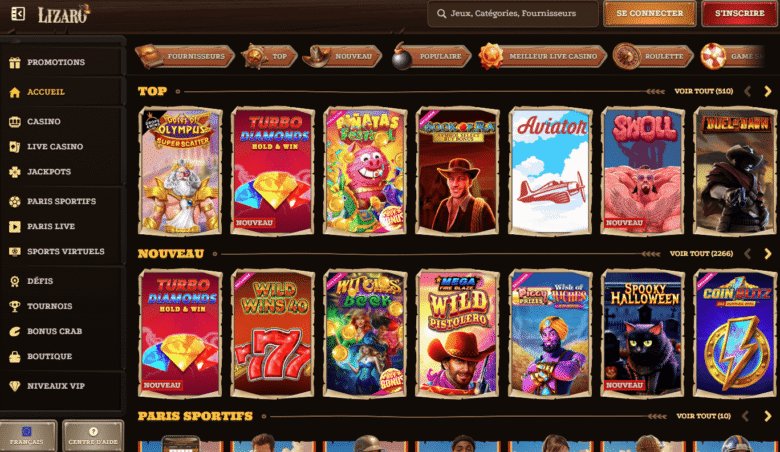
For players looking to expand their horizons beyond puzzle challenges, Lizaro offers a seamless transition into online casino gaming, blending familiar mobile interfaces with thrilling new opportunities.
Who Gains the Most?
Newcomers to gaming, especially those over 35 who prefer short bursts of entertainment, find the model attractive. The entry barrier is low—just a phone and a few minutes. However, the same reward structure can be a double‑edge sword for those prone to compulsive spending. A survey by the National Gaming Association found that 18 % of users admitted to buying in‑app currency after seeing a friend’s reward.
Hardware and Connectivity: The Silent Players
High‑resolution displays and 5G networks have made it possible to run graphically rich titles on phones that were once limited to simple 2D sprites. The average device now supports 60 frames per second at 1080 p, a leap from the 30 fps that defined the early 2010s. This technical boost translates into smoother gameplay and more immersive storytelling.
Battery Life vs. Playtime
Despite the visual improvements, battery consumption remains a concern. A recent benchmark by TechCrunch showed that a top‑tier action game drains a mid‑range phone’s battery by 45 % in just 30 minutes of continuous play. Developers are responding by offering “dark mode” graphics packs that cut power usage by up to 25 % without compromising visual appeal.
Cross‑Platform Play
Many mobile titles now support cross‑play with console and PC. The result? A unified leaderboard that lets a teenager on a tablet compete against a professional on a high‑end PC. This integration has pushed the average session length from 20 minutes to 35 minutes across the board.
Community and Social Integration
Social features are no longer optional. In 2023, 70 % of casual games included a built‑in chat or friend‑list system. The inclusion of these tools has a measurable impact on user retention: games with active community features see a 22 % higher retention rate after 30 days.
Esports for the Casual Crowd
Smaller, less competitive tournaments have emerged, allowing casual players to earn bragging rights without the pressure of professional leagues. A 2024 report by GameAnalytics noted that 12 % of casual gamers participate in at least one online tournament per month, driven largely by the low entry costs of $1–$3.
Privacy Concerns
With so much data flowing—playtime, location, purchase history—privacy has become a hot topic. In 2023, 9 % of users opted out of data sharing after a high‑profile breach. Developers are now required to provide granular control panels, allowing players to toggle specific data points on or off.
From Casual Gaming to the Bigger Picture
Mobile gaming’s rise has influenced other entertainment sectors. Streaming services now offer short, interactive shows that mirror the gameplay loop of popular mobile titles. Retail brands are embedding mini‑games into their apps to boost customer engagement. The line between passive consumption and active participation keeps blurring, and the casual player is at the center of this shift.
Looking Ahead
By 2025, predictions from the Mobile Gaming Institute suggest that the average mobile user will spend 1.5 hours per day on games, up from 1.1 hours in 2021. That extra 20 % is not just about more screen time; it’s about deeper immersion, smarter monetization, and a more interconnected entertainment ecosystem. If you’re curious how this trend might intersect with online gaming, check out Lizaro for a glimpse into the future of digital play.
Final Thoughts
The transformation of casual entertainment through mobile gaming is measurable, tangible, and already reshaping how we spend our leisure time. From instant access to reward loops that feel more like earning than buying, to hardware that supports richer visuals, the experience is evolving faster than ever. While the growth offers exciting opportunities, it also demands careful attention to privacy and spending habits. Keeping an eye on these dynamics will help players make informed choices and enjoy the best of what mobile gaming has to offer.
STAY IN THE LOOP
Subscribe to our free newsletter.

Een slimme budget‑app is een digitale tool die je inkomsten, uitgaven en spaardoelen in kaart brengt. In 2026 zijn de meeste apps uitgerust met kunstmatige intelligentie, zodat ze automatisch categorieën herkennen en je realistische spaar‑ en beleggingsadviezen geven.

lizaro casino — Stel je voor dat je binnen een minuut na het inloggen al een jackpot van 10.000 euro kunt winnen. Dat is het soort winstoogmerk dat Lizaro Casino, een relatief nieuw online casino, belooft.